
Do-It-Yourself Tips For Property Owners In Drum Point, MD & Surrounding Southern Maryland Areas
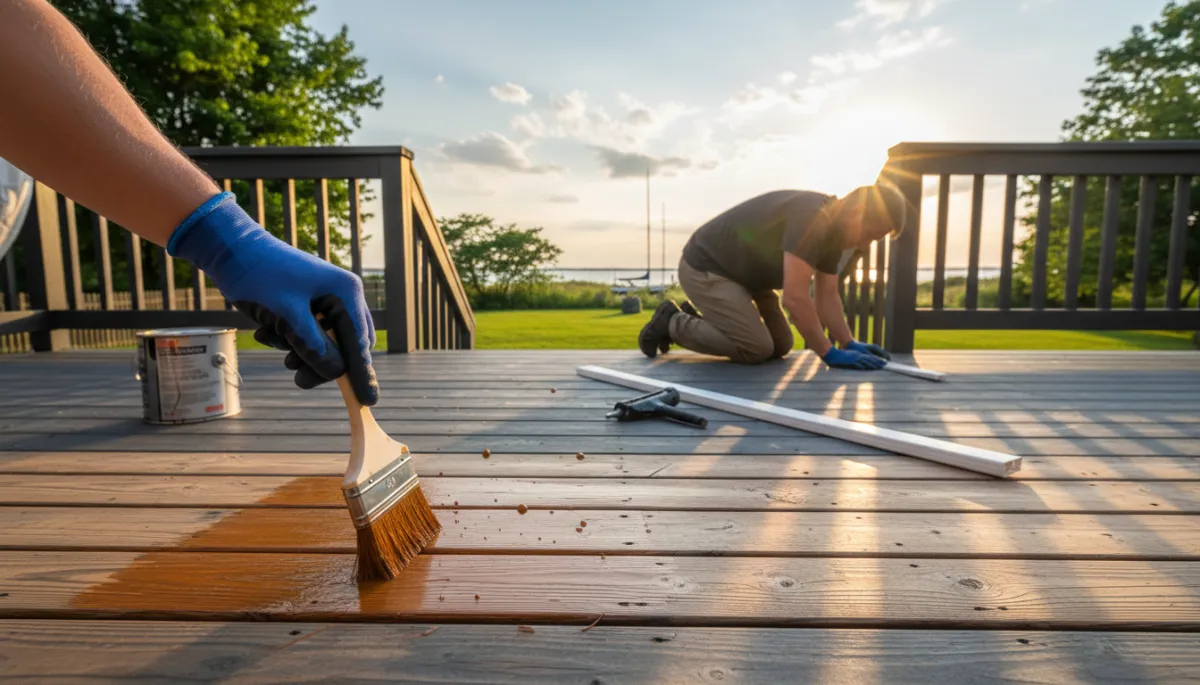
DIY Deck Staining & Repair Guide for Southern MD
Home Improvement, Deck Staining Southern Maryland, DIY Deck Repair Maryland
DIY Deck Staining, Sealing & Trim Repair: A Southern Maryland Homeowner's Guide to Protecting Your Home's Exterior
If you own a home in Lusby, Huntingtown, Leonardtown, or anywhere in Calvert, St. Mary’s, or Charles County, your deck and exterior trim take a beating from Southern Maryland’s sun, humidity, and coastal storms. With the right plan, you can tackle deck staining Southern Maryland projects and basic trim repair Lusby MD-style jobs yourself, saving money while keeping your home looking sharp and protected for years.
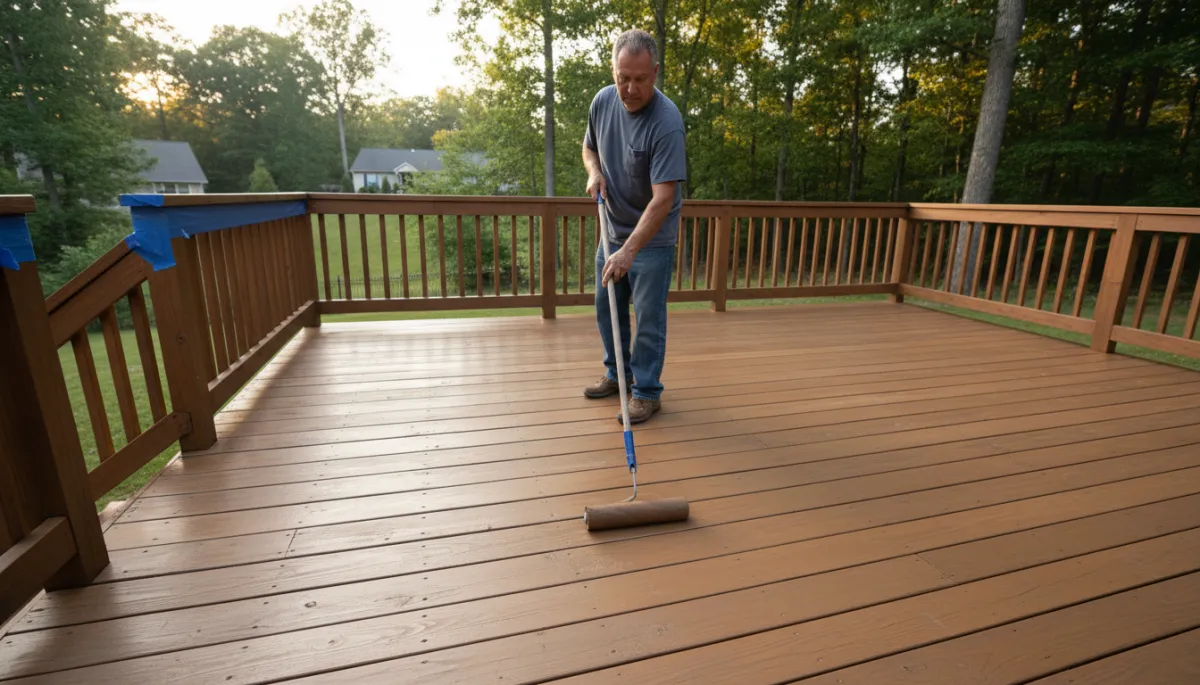
Why Deck Staining and Sealing Matter in Southern Maryland
Our region’s humid summers, salty breezes off the Patuxent and Potomac, and freeze–thaw cycles in winter are tough on exterior wood. Without regular deck sealing Calvert County maintenance, boards can warp, crack, grow mildew, and eventually rot. The same goes for fascia boards, window and door trim, and corner boards around your siding.
A quality stain and sealer combination does three key things:
- Repels moisture so rain and snow don’t soak into the wood
- Blocks UV rays that break down wood fibers and fade color
- Resists mold and mildew, which love our Mid‑Atlantic humidity
When paired with smart DIY deck repair Maryland and trim upkeep, you’ll extend the life of your exterior wood and avoid costly structural repairs down the road.
Step 1: Southern Maryland Deck Inspection Checklist
Before you open a can of stain, walk your deck slowly with this simple inspection checklist. A careful spring inspection (and a quick fall checkup) is the foundation of smart maintenance.
Safety & Structure
- Posts and footings: Look for soft, spongy areas at the base, standing water, or insect damage, especially in low‑lying Calvert County yards with poor drainage.
- Ledger board: Where the deck attaches to the house, check for gaps, rusted fasteners, or rot—this is a critical structural connection.
- Joists and beams: From underneath, look for sagging boards, cracks, or blackened, soft wood that could indicate moisture damage.
Surface & Railings
- Deck boards: Note splintering, cupping, or raised nail/screw heads. Walk barefoot to feel for rough spots if it’s safe to do so.
- Railings and balusters: Wiggle them gently; any movement needs to be tightened or re‑secured before you host that summer crab feast.
- Stairs: Check treads, stringers, and handrails for rot and loose fasteners—stairs take a lot of abuse in wet weather.
Finish Condition
- Sprinkle a little water on several spots. If it soaks in quickly instead of beading up, it’s time to re‑stain and reseal.
- Look for gray, sun‑bleached areas, peeling stain, and dark mildew patches—common in shaded Leonardtown and Lusby backyards.
Step‑by‑Step Guide: Deck Staining & Sealing for Southern Maryland Homes
When you're ready to tackle deck staining Southern Maryland style, timing and prep are everything. Local experts recommend working in late spring or early summer when we get a stretch of dry weather and temperatures between 50°F and 80°F (This Old House, Bob Vila, Mid‑Atlantic deck maintenance guides).
1. Choose the Right Products for a Humid Climate
In our coastal‑humid climate, water‑based stains generally outperform oil‑based options because they dry faster, resist mildew better, and are less likely to trap moisture. Recent reviews and real‑world testing in nearby Virginia and Mid‑Atlantic states highlight several standouts:
- Sherwin-Williams WoodScapes Exterior Waterborne Semi-Transparent Stain – Excellent mildew resistance and balanced protection in 70%+ humidity; great for most pressure‑treated decks.
- Sherwin-Williams WoodScapes Exterior Waterborne Semi-Solid Stain – Formulated for strong UV protection plus moisture defense; ideal for sunny Calvert County backyards with little shade.
- Sherwin-Williams WoodScapes Exterior Waterborne Deck Stain – Can be applied to properly prepared, slightly damp wood, which is a lifesaver when humidity or pop‑up storms shorten drying windows in Southern Maryland.
- Sherwin-Williams WoodScapes Exterior Waterborne Solid Color Deck Stain – A solid‑color, water‑based stain that can last 4–6 years and is great for older decks that need maximum coverage.
If you love the look of an oil‑based finish, Sherwin-Williams WoodScapes Exterior Oil-Based Transparent Stain offers rich color and deep penetration, but you’ll need to be extra vigilant about mildew in our climate and allow longer drying time between showers.
2. Prep: Cleaning and Light Repairs
- Clear the deck. Remove furniture, grills, rugs, and planters. Cover nearby landscaping with breathable drop cloths if using cleaners.
- Clean thoroughly. Use a deck cleaner or a mix recommended by manufacturers to remove dirt, mildew, and old residues. A light‑pressure wash can help, but avoid blasting the wood—too much pressure can gouge soft boards.
- Let it dry. In Southern Maryland, plan for at least 24–48 hours of dry weather after cleaning (unless you’re using a product like Restore‑A‑Deck that allows damp‑wood application).
- Sand rough spots. Lightly sand splinters, raised grain, and any peeling stain edges, especially on stair treads and traffic paths.
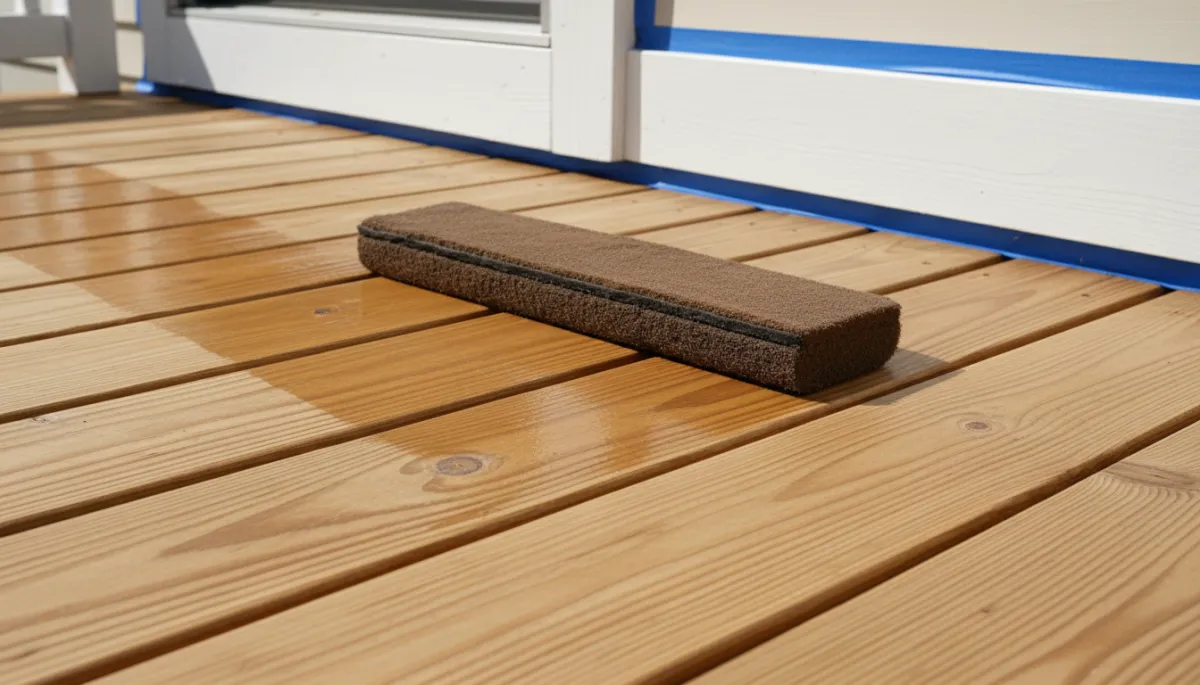
Careful prep and even application help deck stain last longer in humid Maryland weather.
3. Apply Stain and Sealer the Right Way
- Check the forecast. Look for at least 24 hours without rain and moderate humidity. Avoid blazing hot afternoons that can flash‑dry stain before it absorbs.
- Stir, don’t shake. Gently stir your stain to blend pigments without creating bubbles that might mar the finish.
- Cut in edges. Use a brush to cut in along the house, posts, and between tight spaces. Then switch to a pad applicator or roller for open areas, working with the grain of the boards.
- Avoid puddles. Apply thin, even coats. Wipe or brush out any pooling to prevent sticky spots that attract dirt and slow drying in our humid air.
- Allow proper dry time. Follow the manufacturer’s instructions between coats. High humidity in Calvert County can extend dry times; when in doubt, give it extra hours.
DIY Exterior Trim Repair Tips for Southern Maryland Homes
While you’re focused on DIY deck repair Maryland projects, it’s the perfect time to walk around your home and inspect exterior trim—especially around windows, doors, and rooflines. Many trim repair Lusby MD calls start with small issues that homeowners could have caught early.
What to Look For
- Peeling paint or stain, especially near gutter downspouts or where water splashes from the deck
- Soft, crumbly, or darkened wood at the bottom of trim boards and corner posts
- Gaps where trim meets siding or around windows and doors, which can let in water and pests
Simple DIY Trim Repair Steps
- Probe the wood. Use a screwdriver to gently press suspect areas. If it sinks in easily, you have rot that needs to be removed or replaced.
- Address minor damage. For small holes or shallow rot, dig out the soft wood, treat with a wood hardener, and fill with an exterior‑grade epoxy or wood filler. Sand smooth after it cures.
- Replace badly rotted boards. If a full trim board is compromised, remove it carefully, cut a new piece to fit, prime all sides, and install with exterior screws or nails and quality caulk at joints.
- Prime and paint or stain. Once repairs are sanded smooth, prime bare wood and finish with a high‑quality exterior paint or matching stain to seal out moisture.
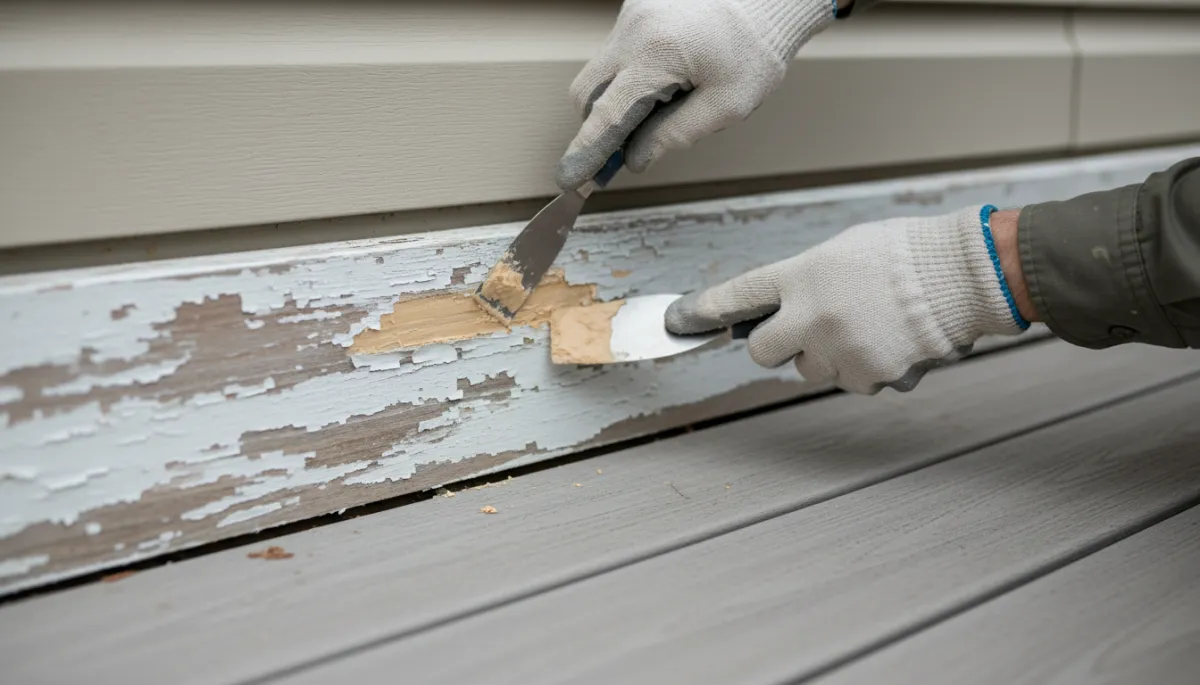
Catching trim problems early prevents water from reaching structural framing and decking.
Seasonal Deck & Trim Maintenance Schedule for Maryland Homes
A simple seasonal routine keeps your deck and trim in top shape and makes each staining or sealing project easier. Here’s a Maryland‑friendly schedule based on national and Mid‑Atlantic maintenance guides.
Spring: Deep Clean & Inspect
- Sweep away leaves, acorns, and winter debris from boards and between gaps.
- Wash the deck with a deck cleaner; rinse thoroughly and let dry.
- Perform the full deck inspection checklist and trim walk‑around; make repairs as needed.
- Re‑stain and seal if water no longer beads on the surface or if color is badly faded.
Summer: Light Cleaning & Touch‑Ups
- Sweep weekly to keep sand and grit from scratching the finish—especially if you’re near the water.
- Spot‑clean food spills, sunscreen, and mildew quickly so they don’t stain.
- Tighten any loosening fasteners and touch up high‑traffic areas if needed.
Fall: Prep for Winter
- Remove leaves and debris that trap moisture against boards and trim.
- Wash away mildew and check for any new cracks or soft spots after summer storms.
- If you didn’t seal in spring, apply a water‑repellent finish before the cold, wet season sets in.
Winter: Monitor & Protect
- Use a plastic shovel or broom to clear snow; avoid metal blades that can gouge stain and boards.
- Skip rock salt on wood surfaces—it can be harsh on finishes. Use pet‑safe, wood‑friendly ice melt if necessary and rinse in spring.
- After heavy snow or ice, visually check railings and trim for new cracks or movement.
Bringing It All Together: A Protected, Beautiful Exterior
With a solid inspection checklist, the right water‑based stain for humidity, and a step‑by‑step approach to cleaning, staining, and sealing, deck sealing Calvert County projects don’t have to be intimidating. Add in a few basic DIY deck repair Maryland skills and simple trim repairs, and you’ll dramatically extend the life of your exterior wood while boosting curb appeal across Southern Maryland.
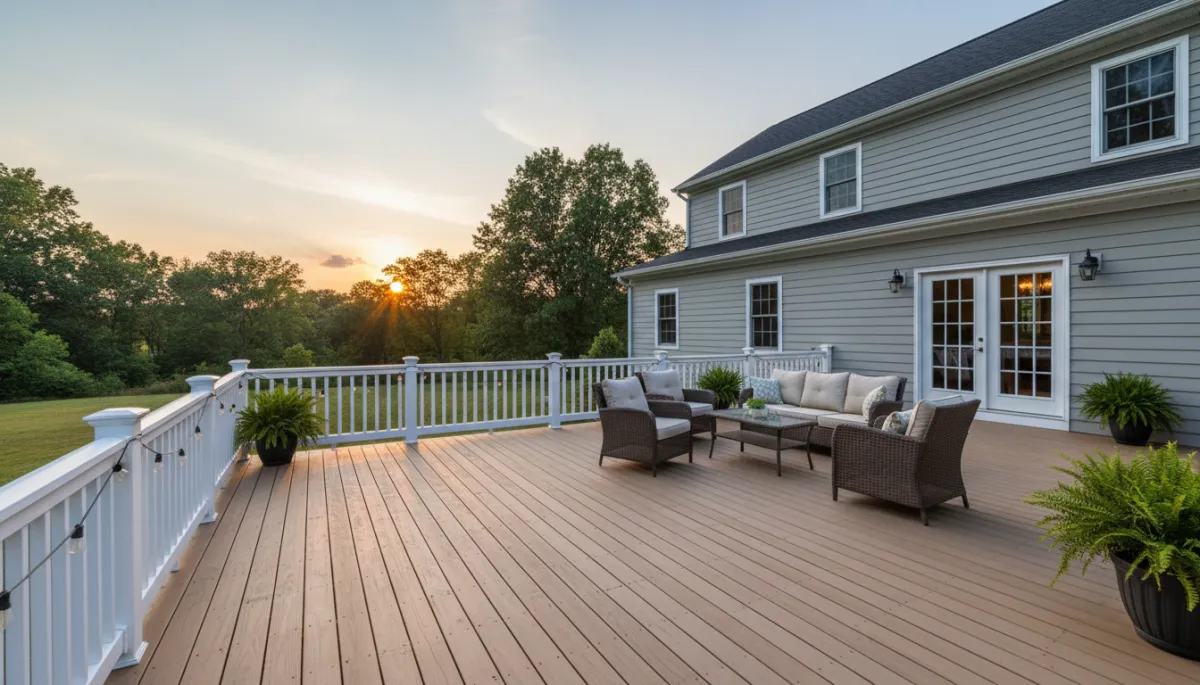
A well-maintained deck and trim add comfort, value, and long-term protection to Southern Maryland homes.
If you ever feel unsure about structural issues, extensive rot, or working at heights, partner with a local pro who understands our climate and building codes. Otherwise, with a weekend or two of focused effort, you can confidently protect your deck and trim in Lusby, Huntingtown, Leonardtown, and beyond—and enjoy your outdoor space all season long.

Monday-Friday
8am-8pm
Saturday
9am-5pm


Built & Powered By: Rainmaker Website Systems
©opyright 2026 Southern Maryland Curb Appeal | All Rights Reserved