
Do-It-Yourself Tips For Property Owners In Drum Point, MD & Surrounding Southern Maryland Areas
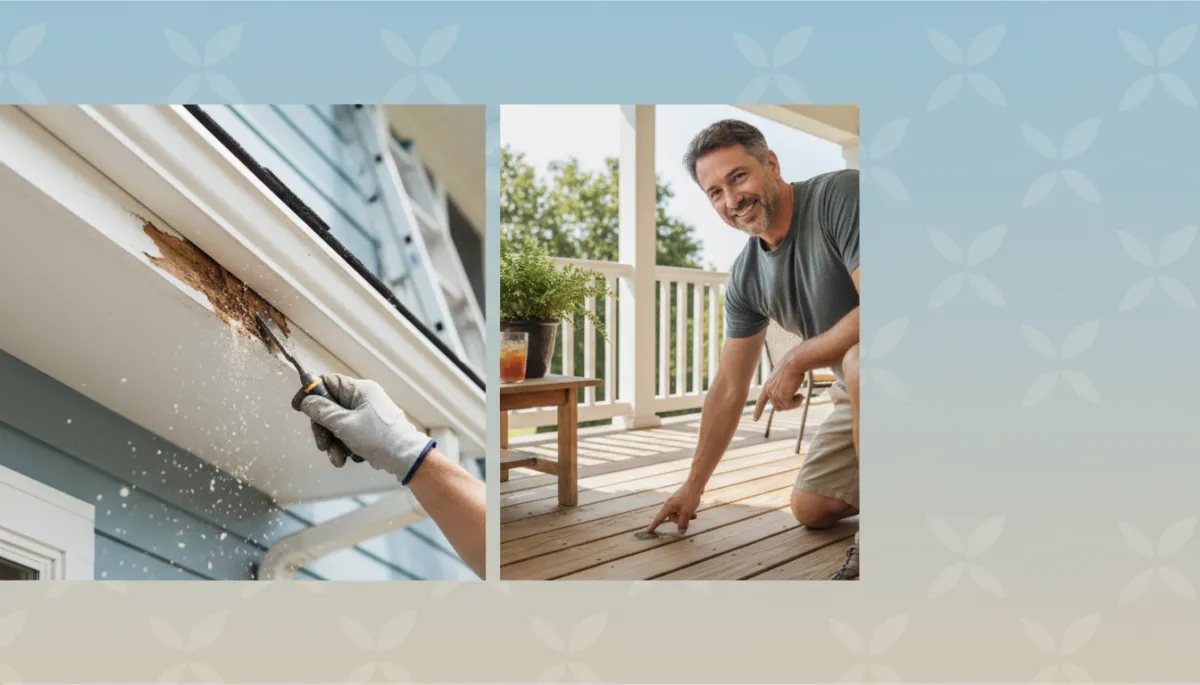
DIY Wood Rot Repair Guide for Southern Maryland
Home Maintenance, Wood Rot Repair Southern Maryland
DIY Exterior Wood Rot Repair & Prevention: A Southern Maryland Homeowner's Guide to Protecting Trim, Fascia, Soffits & Deck Boards
Exterior wood rot is one of the most common — and most frustrating — maintenance issues for homeowners in Calvert, St. Mary’s, and Charles County. With our humid summers, coastal breezes, and frequent storms, Southern Maryland homes need a little extra attention to keep trim, fascia, soffits, and deck boards solid and safe. This friendly, step-by-step guide will help you spot wood rot early, tackle basic DIY repairs, and know when it’s time to call in a local pro for wood rot repair Southern Maryland homeowners can rely on.
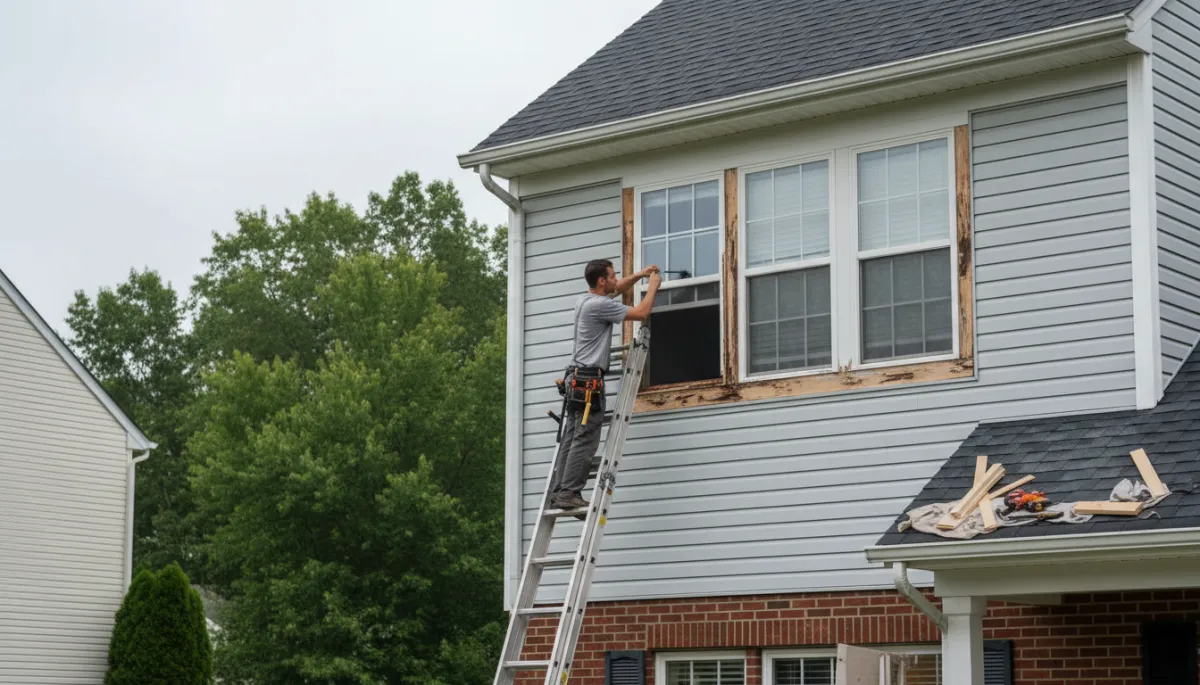
Protect Your Southern Maryland Home From Exterior Wood Rot
Learn how to spot, repair, and prevent damage to trim, fascia, soffits, and decks
Why Wood Rot Is Such a Big Deal in Southern Maryland
Our local climate is beautiful, but it’s tough on wood. High humidity off the Chesapeake Bay and Patuxent River, frequent rain, and big temperature swings create the perfect conditions for the fungi that cause wood rot. Add in morning dew, shaded areas that stay damp, and older paint or caulk, and even well-built homes in Prince Frederick, Leonardtown, La Plata, and surrounding communities can develop hidden damage quickly.
Left alone, rot spreads from one board to the next, inviting insects, warping trim, and eventually compromising structural components. Catch it early and you can often handle exterior trim repair Calvert County–style with a weekend of DIY work and the right products. Wait too long, and you may be looking at major replacement and higher costs.
How to Identify Wood Rot Early on Trim, Fascia, Soffits & Decks
Early detection is your best defense. Set aside a little time twice a year — ideally in early spring and late fall — to walk around your home and look closely at all exposed wood. Focus on:
Window and door trim, especially at bottom corners and sills
Fascia boards behind gutters and along roof edges
Soffits under roof overhangs, particularly where they meet exterior walls
Deck boards, railings, and stair treads that see regular rain and foot traffic
Visual Signs of Wood Rot
Peeling, blistering, or bubbling paint that won’t stay adhered, even after repainting
Discolored patches — darker, grayish, or yellowish areas compared to surrounding wood
Cracked, crumbly, or stringy-looking wood grain, sometimes with a spongy appearance
Gaps where trim meets siding, or visible separation around nail heads and joints
Simple Touch Tests
Press a flat screwdriver or your thumb into questionable areas. Solid wood resists; rotten wood feels soft or spongy and may crumble.
Tap lightly with the handle of a tool. Healthy boards sound sharp; rotted areas sound dull or hollow.
💡 Pro Tip: Pay extra attention to north-facing sides of your home and shaded areas. In Southern Maryland’s humid climate, these spots stay damp longer and often develop rot first.
DIY Exterior Trim Repair in Calvert, St. Mary’s & Charles County
For small to moderate areas of damage, many homeowners feel comfortable tackling exterior trim repair Calvert County and beyond on their own. The basic process is similar whether you’re dealing with window trim, fascia, soffits, or individual deck boards, but the details matter for a long-lasting fix in our wet climate.
Tools & Materials You’ll Need
Pry bar, hammer, and utility knife
Circular saw or oscillating multi-tool (for precise cuts)
Exterior-grade wood filler or epoxy repair system, plus putty knives
Replacement boards (primed pine, cedar, or composite, depending on your preference)
Exterior primer and paint or solid deck stain, plus quality caulk rated for exterior use
Scene of a homeowner on a ladder repairing rotten wooden fascia board under the roofline, tools...
Careful DIY fascia repair in Maryland can stop moisture before it spreads to the roof.
Step-by-Step: DIY Fascia Repair Maryland Homeowners Can Tackle
Inspect the gutter line. In many Southern Maryland homes, clogged or overflowing gutters are the root cause of fascia rot. Clean gutters and downspouts first so the problem doesn’t return immediately.
Remove the damaged section. Carefully detach gutters from the rotted fascia. Use a pry bar and hammer to remove the bad board, cutting out only what’s necessary with a circular saw or multi-tool. Avoid damaging the roof sheathing or soffit behind it.
Treat surrounding wood. If nearby wood is discolored but still firm, apply a liquid wood hardener or preservative to stop early rot in its tracks — especially important in our damp coastal air.
Install the new fascia board. Cut a replacement board to match the original size, prime all sides (including cut ends), and fasten it securely with exterior-grade screws or nails into solid framing members.
Seal, caulk, and paint. Caulk joints and seams, then apply exterior paint to match your home. A quality paint film is your first line of defense against Southern Maryland’s humidity and wind-driven rain.
Soffit Repair Southern Maryland: When Rot Is Overhead
Soffits help ventilate your attic and keep pests out, so keeping them solid is essential. For minor soffit damage:
Remove any loose or crumbling sections and probe the area to see how far the rot extends.
Cut out and replace only the affected panel, being careful not to disturb intact vents or attic insulation behind it.
Prime and paint the new soffit panel, and verify that roof leaks or overflowing gutters aren’t feeding moisture into this area.
⚠️ Safety Reminder: Many soffit and fascia repairs require working from ladders or rooflines. If you’re not comfortable with heights or the area is hard to reach, it’s wise to call a professional who specializes in soffit repair Southern Maryland homes need.
Repairing Rotten Deck Boards and Railings
Decks in Southern Maryland take a beating from sun, rain, and heavy use. For isolated rot in deck boards:
Mark the damaged board and remove screws or nails. Use a pry bar to lift it out without damaging adjacent boards.
Inspect the joists underneath. If they’re solid, cut a new board to size, treat cut ends with a preservative, and install with exterior screws.
Sand any rough edges and re-stain or paint the repaired area, blending with the rest of the deck.
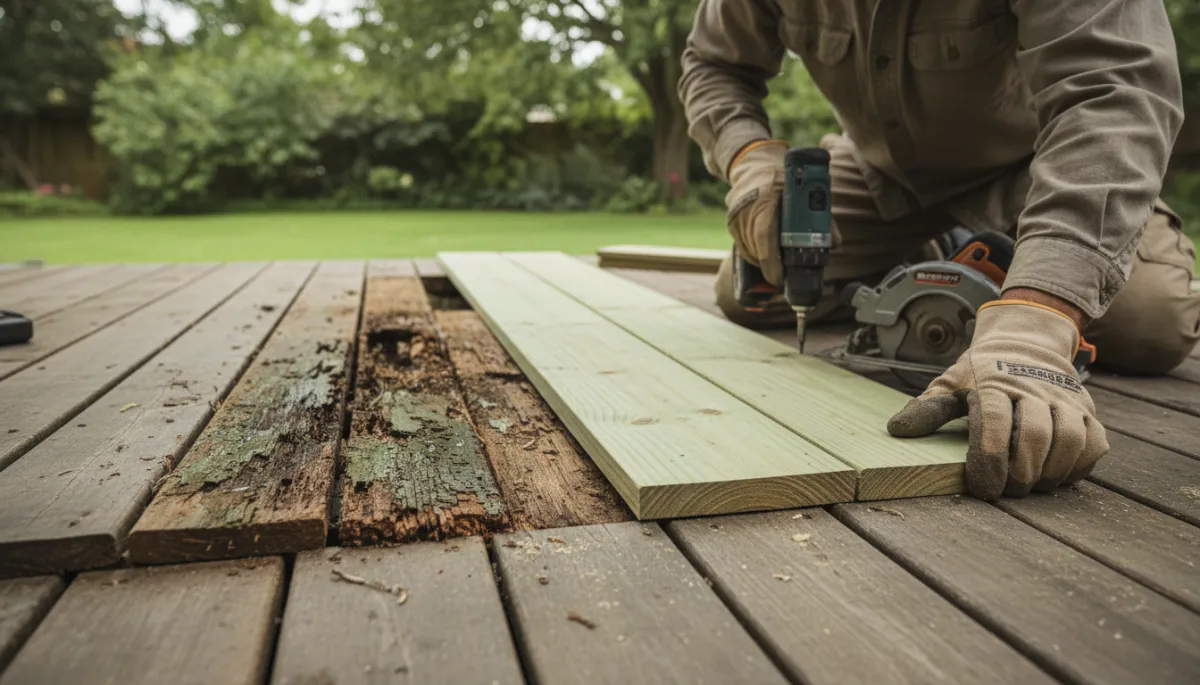
Close-up of a worker replacing a rotten deck board on a backyard deck, showing old decayed board...
Replacing a few rotten deck boards now can prevent larger structural repairs later.
Prevention Tips: Keeping Wood Rot at Bay in a Humid Climate
Once you’ve invested time and money into DIY fascia repair Maryland projects or trim and deck fixes, you’ll want those repairs to last. These simple habits go a long way in our moisture-heavy Southern Maryland environment:
Keep water moving away from the house. Clean gutters at least twice a year, extend downspouts, and make sure soil slopes away from your foundation and deck posts.
Maintain paint and caulk. Repaint exterior trim every 5–7 years, or sooner on sun-baked sides. Check caulk around windows, doors, and joints annually, especially after harsh winters or tropical storms.
Trim back vegetation. Bushes and vines that touch siding or deck railings hold moisture and prevent airflow. Keep at least a few inches of clearance so wood can dry out after rain or morning dew.
Choose better materials where it counts. When replacing severely damaged trim or deck components, consider rot-resistant species, composite materials, or PVC trim for areas that stay damp or shaded.
💡 Local Tip: After long stretches of summer humidity or a week of heavy thunderstorms, do a quick visual check of known trouble spots. Catching soft spots early is the key to affordable wood rot repair Southern Maryland homeowners can manage without major disruption.
When to Call a Professional for Wood Rot Repair in Southern Maryland
Not every project should be a DIY adventure. In some cases, bringing in an experienced local contractor is the safest, most cost-effective choice — especially when the damage is extensive or hard to reach. Consider calling a pro if you notice:
Large sections of fascia or soffit that feel soft, sagging gutters, or signs of water getting into the attic or interior ceilings
Rot around structural components such as deck posts, stair stringers, or support beams under the house or porch
Persistent moisture problems that keep coming back even after basic repairs, indicating a hidden leak or ventilation issue
A qualified contractor who regularly handles soffit repair Southern Maryland homes need will know how to trace moisture back to its source, recommend the right materials for our coastal climate, and complete repairs safely, especially on second-story or steep-roof areas. They can also coordinate related work such as gutter replacement, flashing upgrades, or siding repairs to help prevent future rot.
Protecting Your Southern Maryland Home for the Long Term
Staying ahead of wood rot doesn’t have to be overwhelming. With a simple inspection routine, a basic understanding of how to repair small problem areas, and a trusted local pro in your contacts for bigger jobs, you can keep your home’s exterior trim, fascia, soffits, and deck boards looking great and performing well for years to come — whether you’re in Dunkirk, Lusby, Mechanicsville, Waldorf, or anywhere in between.
Start with one small project: replace that soft piece of window trim or that suspicious deck board. As you get more comfortable, you’ll be better equipped to decide which exterior trim repair Calvert County–style jobs you want to handle yourself and which are better left to a professional. Either way, taking action now will protect your investment and keep your Southern Maryland home safe, solid, and beautiful in every season.
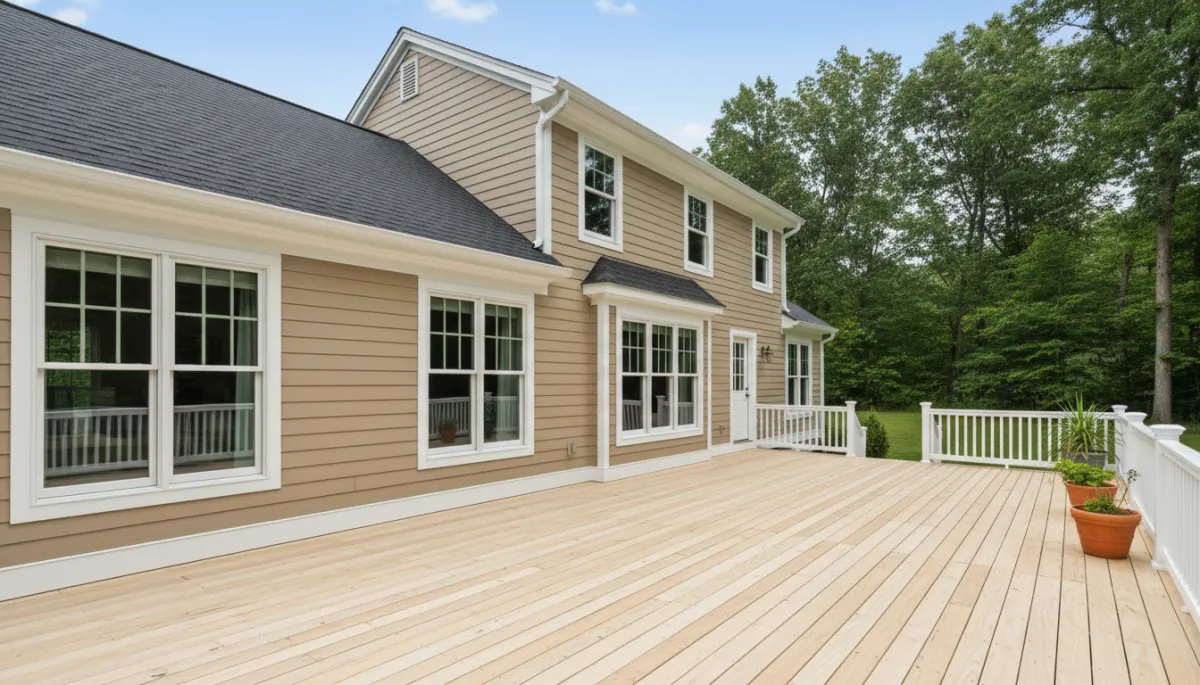
Wide shot of a freshly repaired and repainted Southern Maryland home exterior, crisp white trim...
Consistent maintenance and timely repairs keep Southern Maryland homes protected from moisture damage.

Monday-Friday
8am-8pm
Saturday
9am-5pm


Built & Powered By: Rainmaker Website Systems
©opyright 2026 Southern Maryland Curb Appeal | All Rights Reserved