
Do-It-Yourself Tips For Property Owners In Drum Point, MD & Surrounding Southern Maryland Areas
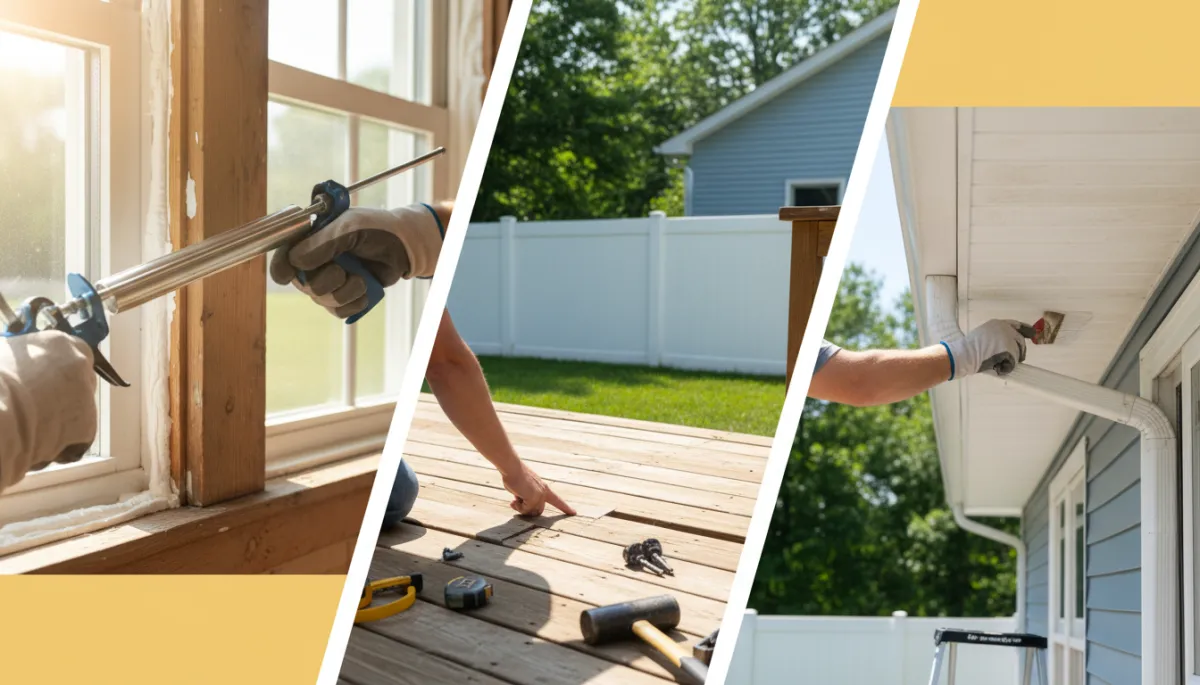
DIY Rental Property Maintenance Checklist
Real Estate, Rental Property Maintenance, Southern Maryland
DIY Rental Property Handyman Maintenance Checklist: Essential Repairs Every Southern Maryland Landlord Should Know
Proactive maintenance is one of the most effective ways to protect your rental investment in Southern Maryland. With Calvert, St. Mary’s, and Charles County’s mix of humid summers, coastal storms, and cold winters, small issues can quickly become expensive repairs if they are not addressed on a regular schedule. This professional landlord handyman checklist is designed to help you stay ahead of problems, reduce emergency calls, and keep your tenants satisfied while controlling long‑term costs.

Protect Your Southern Maryland Rental Investment
A practical DIY maintenance checklist for busy landlords and property managers
Why a Structured Maintenance Plan Matters in Southern Maryland
Effective rental property maintenance Southern Maryland starts with a clear, repeatable plan. Between salt air along the Patuxent River, heavy rains, and freezing temperatures, homes in Calvert, St. Mary’s, and Charles County experience more wear than many inland markets. A structured checklist helps you:
Catch minor issues before they become major, costly repairs.
Maintain code compliance and safety for tenants and guests.
Extend the life of roofs, decks, trim, and mechanical systems.
Present a professional image as a landlord or property manager.
📌 Key Takeaway: Treat your maintenance plan as a business system. A written landlord handyman checklist Maryland reduces surprises, vacancies, and unexpected budget hits.
Full Seasonal Maintenance Checklist for Southern Maryland Rentals
Spring Checklist: Recover from Winter and Prepare for Humidity
Inspect roof for missing shingles, nail pops, and damaged flashing after winter storms.
Clean gutters and downspouts; confirm water flows away from the foundation at least 5–6 feet.
Check exterior caulking around windows, doors, and siding transitions for cracking or gaps.
Service HVAC system: replace filters, clear debris around outdoor units, and confirm condensate drains are clear.
Inspect decks and railings for rot, loose fasteners, and peeling stain or paint.
Summer Checklist: Manage Heat, Moisture, and Tenant Comfort
Test smoke and carbon monoxide detectors; replace batteries if needed and document the date for your records.
Check for signs of moisture in basements and crawlspaces; use a dehumidifier where necessary to prevent mold.
Inspect exterior hose bibs and irrigation systems for leaks that can increase water bills and damage foundations.
Trim back vegetation from siding, decks, and fences to improve airflow and reduce pest activity.
Fall Checklist: Storm Readiness for Calvert, St. Mary’s, and Charles County
Clear gutters and roof valleys again to prepare for heavy fall rains and winter snow loads.
Check weatherstripping on exterior doors and windows to reduce drafts and energy costs for tenants.
Schedule furnace or heat pump service and replace filters before temperatures drop.
Inspect driveways and walkways for cracks that could worsen with freeze–thaw cycles; seal small cracks now.
Winter Checklist: Protect Against Freezing and Water Damage
Insulate exposed pipes in unheated spaces and advise tenants on keeping a minimum heat setting during cold snaps.
Check attic for signs of ice dams or roof leaks after heavy snow or freezing rain events common in Southern Maryland.
Confirm exterior handrails and steps are secure to reduce slip-and-fall liability during icy conditions.
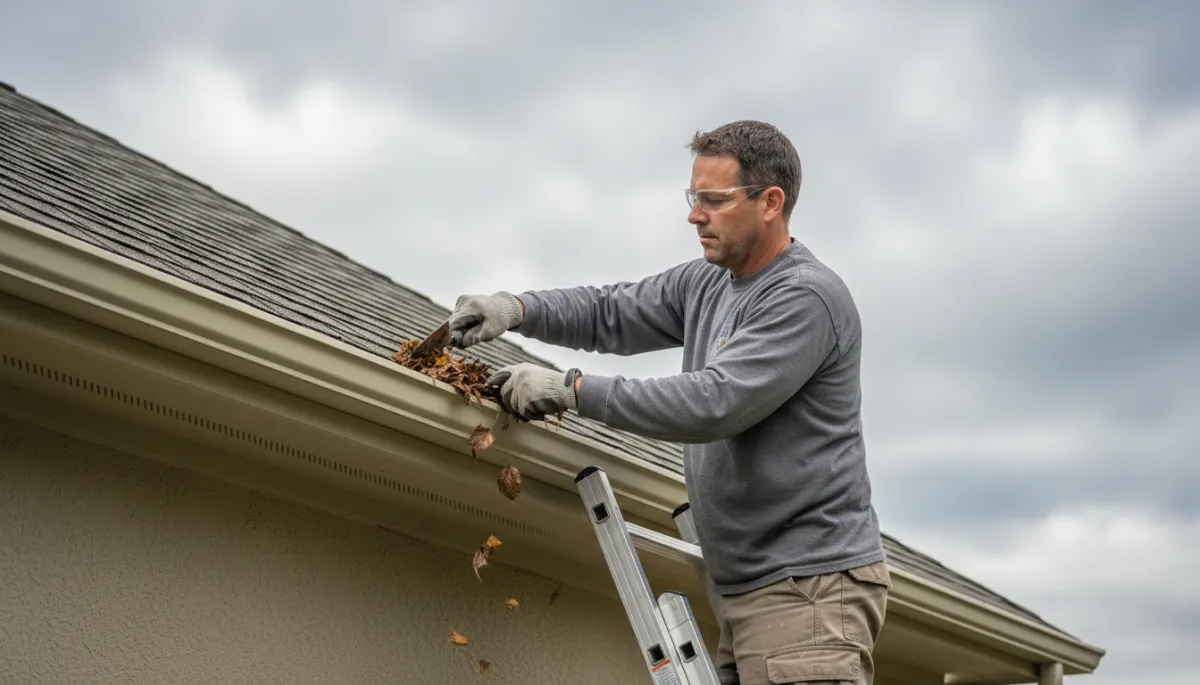
Routine gutter cleaning prevents foundation problems and costly water intrusion repairs.
Caulking and Sealing Tips for Humid Coastal Conditions
In our climate, proper caulking and sealing are among the most cost‑effective DIY repairs Southern Maryland landlord can perform. Moisture intrusion leads to rot, mold, and higher energy bills, all of which erode your returns. Focus on these best practices:
Use exterior-grade, paintable latex or polyurethane caulk around windows, doors, and siding joints; avoid cheap interior-only products outside.
Remove failing caulk completely with a scraper or oscillating tool before applying new material; layering over old, cracked caulk rarely lasts.
Clean the surface and allow it to dry; moisture trapped under new caulk can cause early failure, especially during humid Southern Maryland summers.
Apply a smooth, continuous bead and tool it with a damp finger or caulk tool to ensure full contact and a neat appearance that tenants will notice.
💡 Pro Tip: Keep a small caulk and sealant kit in your vehicle. Many minor gaps can be addressed during routine inspections in under 10 minutes, saving a dedicated trip later.
Deck and Exterior Inspection Steps for Safety and Longevity
Decks are a major asset for Southern Maryland rentals, but they also present safety and liability risks if they are not maintained. As part of your landlord handyman checklist Maryland, perform a thorough deck and exterior inspection at least once a year:
Examine posts and beams at ground level for rot, insect damage, or soft spots using a screwdriver to probe suspect areas.
Check ledger boards where the deck connects to the house; confirm proper flashing and that lag bolts or structural screws are secure and not rusted.
Inspect railings and balusters for wobble; tighten fasteners and replace any damaged sections to maintain code-compliant spacing and strength.
Look for peeling stain or paint; power‑wash gently and re‑seal with a quality exterior deck product every 2–3 years, more often for waterfront properties.
During the same visit, walk the full exterior of the home. Check siding for cracks, loose panels, or impact damage from storms. Addressing these issues promptly protects your sheathing and insulation from moisture and pests.

Regular deck inspections reduce liability and extend the life of exterior structures.
Trim and Fascia Repair Guidance for Curb Appeal and Protection
Rotten or peeling trim and fascia boards are more than cosmetic problems. They allow water, insects, and small animals into the roof structure and soffits. For landlords and property manager tips Calvert County, the following steps offer a practical approach:
Inspect horizontal trim, fascia, and window sills first; these areas collect water and show damage sooner than vertical boards.
For minor soft spots, remove loose material, treat with wood hardener, and fill with exterior-grade epoxy or filler, then sand smooth before painting.
When rot is extensive, cut out and replace the full board with primed composite or PVC trim to reduce future maintenance in coastal areas.
Prime all cut ends and nail holes, then apply two coats of quality exterior paint in a neutral color that appeals to a wide range of tenants.
📌 Key Takeaway: Trim and fascia repairs are highly visible improvements. They boost curb appeal, support higher rents, and signal to prospective tenants that the property is well cared for.
Pre‑Lease Preparation Checklist: Presenting a Turn‑Key Rental
Before listing a unit or scheduling showings, work through a structured pre‑lease checklist. This step is critical for maintaining low vacancy and attracting quality tenants across Calvert, St. Mary’s, and Charles County.
Paint and walls: Touch up scuffs and repair nail holes; consider a full repaint every few turnovers using a durable, neutral interior color.
Flooring: Repair or replace damaged planks or tiles; deep clean carpets or, where feasible, upgrade to resilient vinyl plank for easier long‑term maintenance.
Plumbing fixtures: Check for drips, slow drains, and loose handles; replace worn supply lines and shut‑off valves as needed to prevent future leaks.
Appliances: Confirm all burners, elements, and cycles work; clean filters in range hoods and dryers to reduce fire risk and improve performance.
Safety and compliance: Test all detectors, confirm fire extinguishers are accessible where required, and ensure egress windows and doors operate properly.

Detailed pre‑lease touch‑ups help properties rent faster and reduce complaints.
Cost‑Saving DIY Tips to Protect Your Rental Investment
Not every task requires a licensed contractor. With basic tools and a consistent schedule, many landlords can safely handle routine DIY repairs Southern Maryland landlord properties need. Consider the following cost‑saving strategies:
Standardize materials across properties—same paint colors, flooring types, and hardware—so you can buy in bulk and simplify future repairs.
Build a small inventory of common parts: outlet covers, light switches, faucet cartridges, supply lines, and door hardware to avoid last‑minute store trips.
Group non‑urgent repairs into quarterly visits where possible; this reduces travel time and allows you to complete multiple tasks in one trip per property.
Use checklists and photo documentation during inspections; photos create a record that supports security deposit decisions and future maintenance planning.
💡 Pro Tip: Reserve licensed contractors for structural, electrical, gas, and major HVAC work. Focus your own time on cosmetic and light mechanical tasks where the savings are greatest.
Bringing It All Together: A Practical System for Southern Maryland Landlords
Successful rental property maintenance Southern Maryland is not about reacting to tenant complaints; it is about building a predictable system that supports your long‑term investment goals. Combine the seasonal maintenance checklist, targeted caulking and sealing, regular deck and exterior inspections, and consistent trim and fascia repairs into a single written plan. Then, tie that plan directly into your pre‑lease preparation checklist so every turnover returns the property to a clean, safe, market‑ready condition.
Whether you self‑manage a single home in Prince Frederick or oversee multiple units across Lexington Park, La Plata, and Waldorf, adopting these property manager tips Calvert County and beyond will help you control expenses, reduce vacancies, and protect the value of each asset. Over time, your landlord handyman checklist Maryland becomes a competitive advantage—delivering better tenant experiences while preserving your cash flow and equity.
Start by scheduling your next seasonal inspection today, documenting your findings, and tackling a short list of high‑impact, low‑cost improvements. Consistency, not perfection, is what keeps Southern Maryland rentals performing at their best year after year.

Monday-Friday
8am-8pm
Saturday
9am-5pm


Built & Powered By: Rainmaker Website Systems
©opyright 2026 Southern Maryland Curb Appeal | All Rights Reserved